

Tesla, one of the most profitable companies in the U.S., made $2.3 billion in domestic income in 2024 but paid zero in current federal income taxes.
Over the past three years, the automaker raked in $10.8 billion in U.S. income, yet its total federal tax bill amounted to just $48 million—a tax rate of 0.4%, far below the standard 21% corporate rate.
Tesla’s Three-Year Tax Bill: A Shocking Breakdown
Despite its soaring revenue, Tesla has managed to keep its federal tax payments astonishingly low. The table below reveals how the automaker consistently minimized its tax liabilities:
| Year | U.S. Income | Federal Tax Paid | Effective Tax Rate |
|---|---|---|---|
| 2022 | $5.5B | $0 | 0% |
| 2023 | $3.1B | $48M | 1.5% |
| 2024 | $2.3B | $0 | 0% |
| Total | $10.9B | $48M | 0.4% |
Source: Institute on Taxation and Economic Policy, January 2025
How Tesla Legally Paid Almost Nothing in Taxes
Tesla didn’t break any laws to achieve this ultra-low tax rate. Instead, it used a mix of loopholes, deductions, and tax credits to erase its federal tax burden. Here’s how:
- Accelerated Depreciation: Tesla used this provision to claim massive deductions on its factory equipment, saving $500 million in taxes.
- Stock Option Deductions: By compensating executives with stock instead of cash, Tesla slashed its taxable income by $250 million.
- U.S. Tax Credits: Government incentives for clean energy and electric vehicles reduced Tesla’s tax bill by $300 million.
- Net Operating Loss Carryforwards: Tesla used past financial losses to cancel out current taxable income, further reducing its tax obligations.
Could Tesla’s Tax Bill Drop Even Further?
Congress is considering a retroactive tax break that could reinstate full R&D expensing. If passed, this change could save Tesla an additional $2.4 billion in taxes.
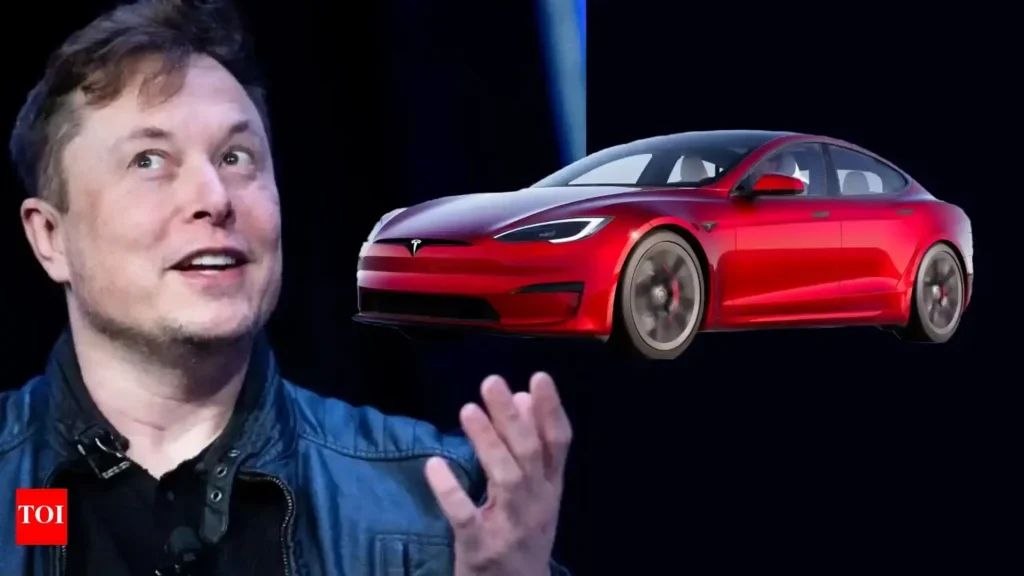
That means the company could continue paying little to no federal taxes for years while expanding its business and profits.
The Public Outrage: Should Tesla Pay More?
Tesla’s near-zero tax payments have reignited a national debate over corporate taxation. Many critics argue that billion-dollar corporations shouldn’t escape taxes while ordinary Americans pay their fair share.
Others claim Tesla is simply playing by the rules of a broken system that rewards big businesses.
Will Trump’s 100% Tariff on BRICS Hurt Them—or the U.S.?

James is a talented content writer and digital researcher. He focuses on topics like investments, finance, scams, and product reviews. He works hard to uncover the truth behind online claims and explains things clearly. James is also great at spotting scams and sharing honest advice with readers. When he isn’t writing, he enjoys playing chess and basketball, blending his strategic thinking with a love for both quiet focus and active fun.